The right sensor for each threat
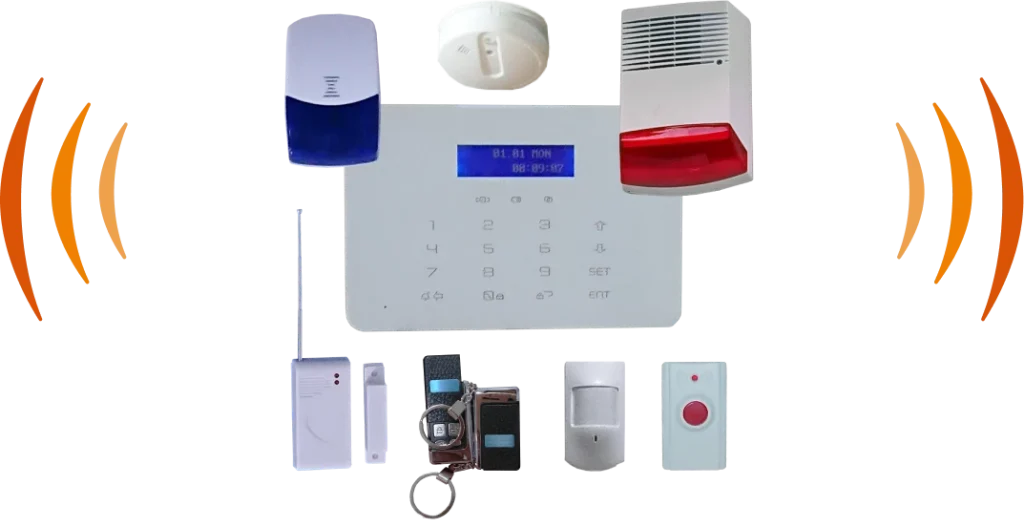
Motion sensors, magnetic contacts, smoke detectors, and panic buttons are positioned around room function and risk.

Security Systems
Intrusion and emergency detection using sensors, control panels, sirens, panic buttons, and remote alerts.
Discuss your projectAbout the solution
Systems are designed around each area’s risk profile. Door, motion, smoke, and panic sensors create a clear, practical warning layer.
Problems the system must solve
What we engineer into the system
Motion sensors, magnetic contacts, smoke detectors, and panic buttons are positioned around room function and risk.
Sirens, visual indicators, apps, and optional monitoring help teams respond without waiting for a manual inspection.
The panel identifies alarm zones so operators know where the event occurred and can follow the right response.
Arming, disarming, bypassing, and routine testing remain straightforward for authorized users without weakening security.
Battery capacity is calculated to keep critical devices running through outages according to operational targets.
Equipment and solution scope
The final configuration follows site conditions, integration needs, and actual usage patterns.
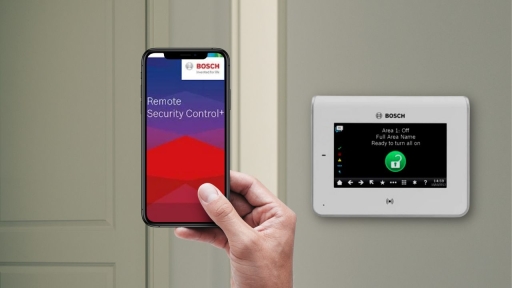
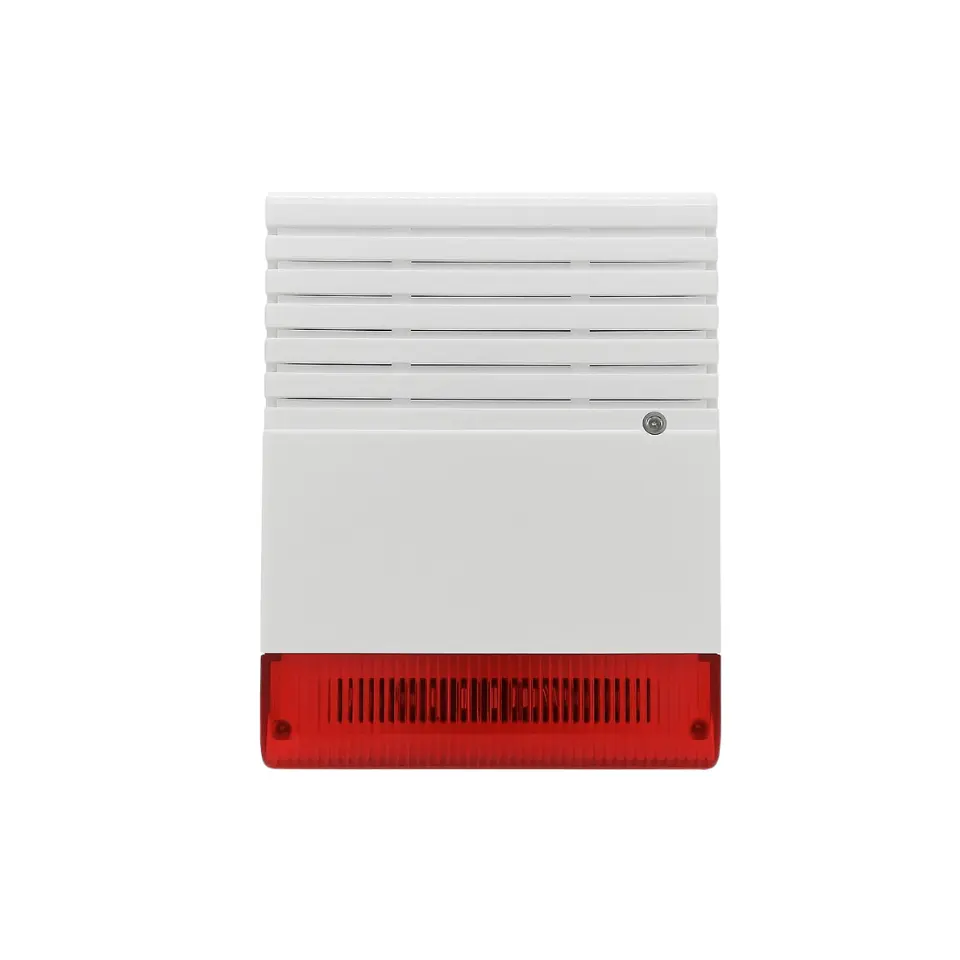
Alarm controllers, sirens, visual indicators, remotes, and power supplies form the system’s control layer.

Magnetic contacts protect doors and windows, while PIR devices detect movement in interior zones.
Smoke detectors and panic buttons add warning layers for fire, security threats, or medical events.
The same team carries project context from planning until the system is ready to operate.
We map site conditions, usage patterns, risks, and operating goals before selecting equipment.
Topology, device locations, integrations, specifications, cost, and schedule are documented in a transparent scope.
Technicians complete mounting, cabling, network configuration, and integration with a tidy installation standard.
Operating scenarios are tested, operators are trained, and system documentation is handed over before go-live.
Wired systems suit permanent, sensor-dense sites; wireless is flexible in existing buildings. A hybrid is often the best fit.
Yes, with panels that support an app connection or communications module. Internet connectivity and resilience are evaluated too.
The count follows entrances, area size, zoning, blind spots, and risk—not a generic bundle.
Our team can help assess equipment options, integration requirements, and the right implementation scope.